
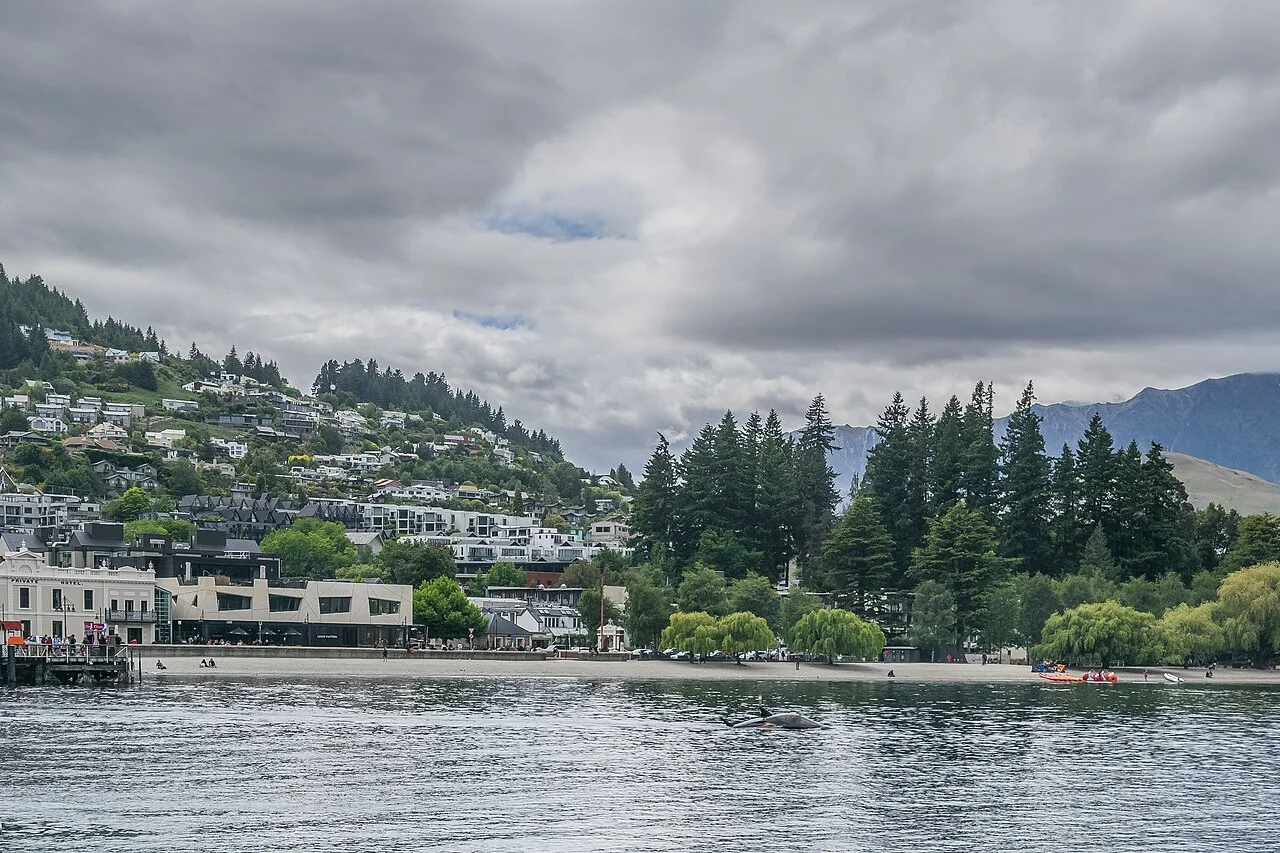

Queenstown brings together experiences that need very different amounts of time: walking beside Lake Wakatipu, reaching a viewpoint, visiting a former mining town or giving a day to the mountains. For a first visit, choosing the right scale matters. An alpine hike is not a casual late-afternoon stop, while a trip to Glenorchy deserves more than a quick photograph before turning around.
This selection combines central Queenstown with places in the surrounding region. Build four or five days around the ideas that interest you, replacing demanding routes when they do not match your experience. Adventure sports are optional: gardens, heritage, food and lakeside walks also reveal the landscape. Adapt the suggested combinations to your available time and the conditions of each day.
Before you pack
- Starting point
- Queenstown, beside Lake Wakatipu
- Trip ingredients
- Lake scenery, town walks and regional outings
- Key distinction
- Plan alpine hikes separately from less demanding walks
1. Lake Wakatipu: begin at the water’s edge
Lake Wakatipu shapes the relationship between Queenstown and the surrounding mountains. Starting at the shoreline helps you understand that geography before heading to a viewpoint or booking an excursion. Spend time looking across the bay, then decide between continuing on foot and exploring one of the lake activities described in the official tourism information.
If a cruise appeals, compare its route, departure point and duration; seeing the water from land and travelling across it are different experiences. For activities such as kayaking, consider the operator’s conditions and your own previous experience. A walk along the shore can comfortably be the focus of your first afternoon, particularly when you want to settle in before attempting a longer outing.
2. Queenstown Gardens: find a quieter pace in town
Queenstown Gardens provides a visit focused on walking and looking at the surroundings without organising a distant excursion. The tourism office includes it among the places to enjoy a relaxed stroll. It is a useful choice when a group wants a break between activities, or when some travellers prefer to appreciate the setting without taking part in a sporting experience.
Include the gardens in the day you spend around central Queenstown and the lakefront. Choose your route according to your energy and the time you want outside, instead of using it only as a gap between two bookings. On a first day, this combination helps establish the town’s scale and gives you a chance to adjust later plans to a more realistic pace.
3. Bob’s Peak: see the lake from the gondola viewpoint
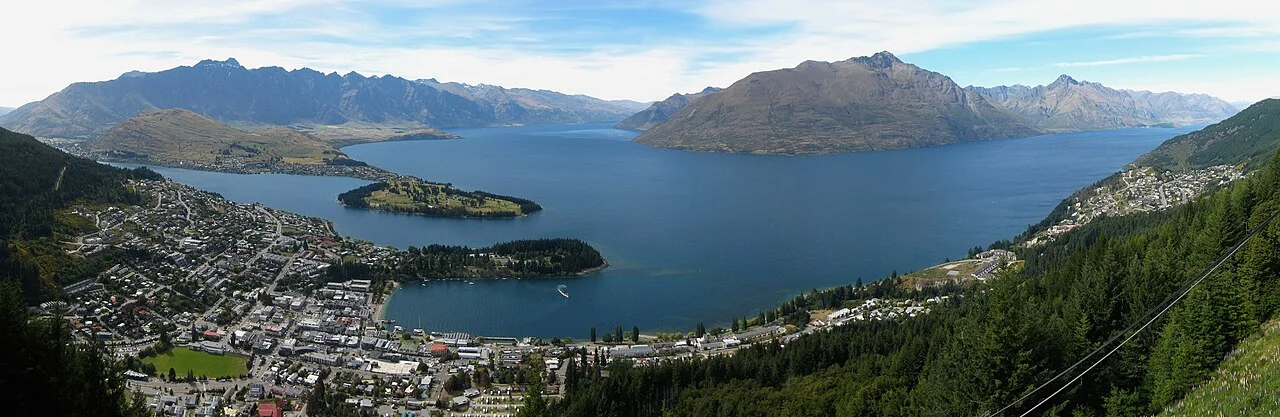
The Skyline gondola reaches Bob’s Peak, with views over Lake Wakatipu, Queenstown and the surrounding mountains. It changes your perspective without necessarily turning the day into a lengthy hike. From above, you can connect the bay and the town layout with the wider territory that becomes more familiar during outings around the region.
The operator presents the gondola, luge and dining as distinct services. Choose the product you actually want and check its conditions rather than assuming every ticket includes all available activities. A visit focused simply on contemplating the landscape is a valid plan. From the upper station, take time to observe how the town and the different shores of the lake fit together.

4. Queenstown Hill: choose a walk that suits your group
Queenstown Hill is among the walks that can be organised from the town centre. It offers an option for visitors who want to spend part of the trip exploring the hillsides on foot. The proximity of a trailhead should not be mistaken for an absence of effort: examine the whole route and consider the preparation of everyone in your group before setting out.
The tourism office recommends checking track conditions with the Department of Conservation and forecasts with MetService. Make those checks for the actual day of your outing and take clothing suitable for changes in weather. Avoid placing an inflexible reservation immediately after the walk. A margin of time lets you adjust your pace or turn back earlier if the conditions suggest doing so.
5. Ben Lomond: prepare for an alpine outing
Ben Lomond belongs to Queenstown’s more demanding hiking options. Official information distinguishes it from lower-level walks and warns that snow and ice can make conditions more difficult. Do not choose it solely because you have seen compelling photographs or because the start is near your accommodation. The decision must reflect the mountain conditions and your experience.
Consult DOC about the route and current conditions before committing your day. Review equipment, the forecast and the group’s abilities, and consider a guided option where appropriate. If you are not prepared for the outing, choosing a less demanding walk preserves the value of the trip. Completing a list of ten places is never a reason to attempt an unsuitable route.
6. Bob’s Cove: a different stop on the road to Glenorchy
Bob’s Cove appears among the walks recommended by Destination Queenstown on the road towards Glenorchy. It provides a way to explore another part of the lakeshore and combine regional travel with time on foot, instead of seeing the whole journey from a vehicle. Official information describes options of different lengths, so select your intended route before starting.
Save the precise access point and establish how you will continue your journey afterwards. If using a booked transfer, confirm whether it permits this stop and how much walking time is available. A service to Glenorchy does not automatically include every place along the road. With your own transport, leave enough flexibility for the cove visit to fit without making the remaining journey a rush.
7. Arrowtown: gold-mining history beside the Arrow River
Arrowtown retains a visible connection with the nineteenth-century Otago gold rush. The settlement stands beside the Arrow River, and official tourism information recommends beginning at the Lakes District Museum to explore its history. Historic buildings and the former Chinese settlement take a visit beyond shopping, introducing different experiences of the people who arrived seeking gold.
Combine the museum and main streets with a riverside walk suited to your time. Autumn foliage, especially during April and May, provides another reason to visit. Public transport options connect the Queenstown area with Arrowtown, but check the current route and timetable. Staying for a meal helps give the town a place in the trip beyond a brief stop made between more distant destinations.
8. Glenorchy: scenery and walks at the northern end of the lake
Glenorchy lies towards the northern end of Lake Wakatipu and is reached on the Queenstown–Glenorchy Road. The town and its lagoon provide a starting point for appreciating mountains, water and vegetation without assuming every visit must become an expedition. For a first outing, investigate the lagoon walk separately from the major tracks associated with the wider region.
The area also provides access to routes including the Routeburn, Greenstone and Caples, which demand a different level of planning. Do not add them as an improvised extension of a town visit. Without a car, consult local transport operators and agree on the return arrangements before leaving. Allow time for the journey and for stops where permitted, instead of rushing the entire road.
9. Gibbston: vineyards and food offer a change of pace
Gibbston brings together vineyards, cellar doors and places to eat within the Central Otago setting. Official information highlights pinot noir and ways to explore through guided tours, shuttle services or cycling. It is an outing with a different focus from hiking: you can learn about winemaking and combine that interest with a meal in the valley.
Choose a small number of wineries according to what they offer and confirm whether reservations are needed. If drinking alcohol, arrange a non-drinking driver or use a transfer; visiting vineyards by bicycle still requires responsible decisions. For a mixed group, check the options for people who do not wish to taste wine. The scenery and food can also be central parts of the visit.
10. Kawarau Bridge: heritage and the entrance to the Gibbston trail
The historic Kawarau Suspension Bridge is a landmark at the entrance to the Gibbston valley. Tourism information also identifies it as the start of the Gibbston River Trail, connecting a bridge visit with a wider route through the area. Distinguish a stop to observe the location from an adventure activity or a full day of cycling.
If continuing along the trail, decide in advance how far you intend to travel and where the outing will finish. Cycling operators may offer collection at the end, but that arrangement needs explicit confirmation. Travellers interested in bungy jumping should review the operator’s requirements separately. Looking at the bridge does not oblige you to book an activity or undertake a longer route than you want.
When to visit and how to organise your days
The best time depends on your priorities. Official tourism information associates winter with snow and skiing, and the warmer months with hiking, cycling and lake activities. Arrowtown adds a specific autumn attraction during April and May through its changing foliage. Choose the experience that matters most, then compare accommodation, transport and activity availability for your dates.
For walking, the season alone does not guarantee suitable conditions. DOC and MetService are the recommended references for track information and forecasts. Keep mountain outings flexible and retain alternatives such as Arrowtown, a meal in Gibbston or a day in central Queenstown. Preparation should match the selected route, rather than a general impression of the area as a holiday destination.
A route to get you started
- Day one: walk beside Wakatipu and explore Queenstown Gardens to get your bearings. Consider Bob’s Peak for another part of the day if conditions and service availability suit. This combination is designed to help you understand the landscape before deciding which regional outings deserve more time.
- Day two: give Arrowtown a dedicated outing, with its museum, historic streets and riverside walking. Gibbston and Kawarau Bridge can fill a separate day, particularly if you plan to visit wineries or cycle part of the trail. Avoid combining both plans when that would leave little time to enjoy either.
- Day three and beyond: plan Glenorchy with a stop at Bob’s Cove where transport arrangements allow. Keep a flexible day for Queenstown Hill or, with appropriate preparation and conditions, Ben Lomond. You do not need to do both walks; choose the experience that fits your group and the actual mountain conditions.
Good to know
Do I need to hire a car in Queenstown?
Not for every plan. Central Queenstown, the gardens and some trailheads can be organised from town, while Arrowtown, Glenorchy and Gibbston require checking connections or booking transfers. Decide which outings you want first, then compare the cost and flexibility of the available options for your group.
Is Queenstown only a destination for adventure sports?
No. A visit can focus on lake scenery, gardens, the museum and historic streets of Arrowtown, or food in Gibbston. The gondola provides another way to appreciate the setting. Choose activities because they interest you, without feeling obliged to book an extreme experience to justify the trip.
Can mountain walks be done in every season?
Official information distinguishes lower-level walks from alpine routes such as Ben Lomond, where snow and ice can require more equipment and experience. Check current conditions with DOC and forecasts with MetService. A sightseeing list cannot replace an assessment of the route or the preparation needed to undertake it.
Queenstown offers more than a succession of activities to reserve. The lake helps you find your bearings, Arrowtown contributes history and nearby valleys provide changes of scenery and pace. Combine a few carefully chosen outings with time to walk, observe and rest; flexibility often adds more to the trip than a programme crowded with commitments.
Sources consulted
- Things To Do in Queenstown | Activities | Official Website —
- Queenstown Walks & Hikes | Official Queenstown Website —
- Skyline Queenstown | Experience The Iconic Gondola & Luge —
- Arrowtown, New Zealand | Queenstown Official Website —
- Discover Glenorchy | Queenstown Official Website —
- Discover Gibbston, New Zealand | Queenstown Official Website —