

Cusco asks you to change pace. In the centre, a stone wall can connect a shopping street with Inca history; outside the city, the Sacred Valley opens up journeys that need transport and days of their own. These ten places provide a starting point for a first visit focused on culture and archaeology, without turning every day into a chain of hurried stops.
The city is approximately 3,400 metres above sea level. Allow flexibility on arrival, adapt physical effort to your circumstances and consult a healthcare professional if you have questions about altitude. Begin with central visits and give valley trips days of their own: their appeal is easier to appreciate when they do not compete with a long list of city reservations.
Before you pack
- Base
- Cusco, Peru
- Focus
- Historic centre and Sacred Valley outings
- Planning
- Separate arrival time, city walks and archaeological excursions
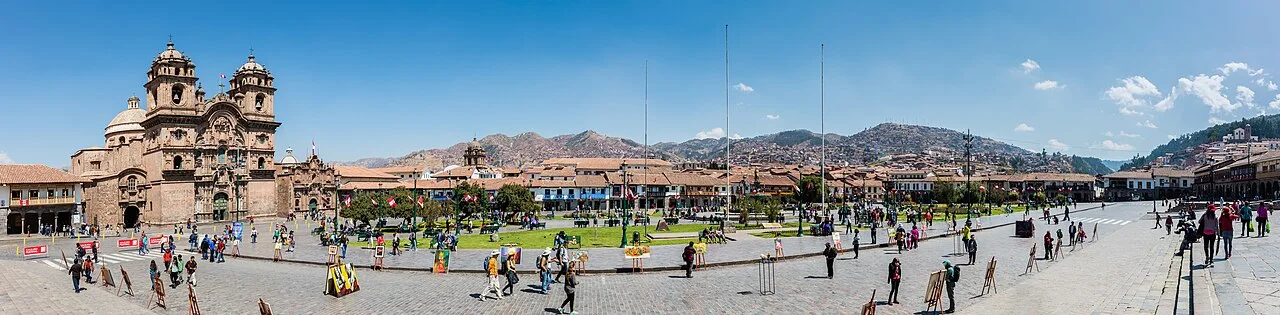
1. Plaza de Armas: start by reading the city
Plaza de Armas brings together many of the details that define central Cusco: balconies, arcades, religious buildings and stone surfaces. It is a useful starting point because you can look around before committing to a longer walk. On your first circuit, distinguish the public square from the churches and other buildings that need a separate visit.
Cusco lies at high altitude, so keep this first outing gentle. Arrival day need not become a race towards a viewpoint. A pause in the square lets you adjust the route to your energy and the available daylight. Seek medical advice if you feel unwell: a short rest does not guarantee acclimatisation, and a travel guide cannot assess your individual health needs.
2. Cusco Cathedral: look beyond the façade
The Cathedral Basilica of the Virgin of the Assumption is one of the historic centre’s major religious buildings. Official tourism information highlights its colonial architecture and collection of paintings from the Cusco school. For a visitor trying to understand the city, it offers a transition from the streets outside to artistic expression developed during the colonial period.
Treat entry as a cultural visit in its own right. Check current admission arrangements, access during services and photography rules. Once inside, choose a few paintings or architectural details to study instead of rushing through every room. If you arrange an explanation with a guide, agree on its scope and duration beforehand, particularly when another reservation limits the time you have available.
3. Hatunrumiyoc and the twelve-angled stone
Hatunrumiyoc offers a close view of Inca masonry within the historic centre. Its famous twelve-angled stone belongs to a wall associated with the palace of Inca Roca. Counting the angles is only a starting point: look at the different sizes of the blocks and the way neighbouring stones meet across the wall.
The street also serves everyday movement and local shops. Find somewhere to pause without blocking other people and observe the stone without touching or leaning against the masonry. You can continue towards San Blas, but that adds an uphill section. If you prefer to spread out the effort, keep Hatunrumiyoc as a short central walk and return to the neighbourhood on a separate outing.
4. San Blas: workshops and a slower walk
San Blas is known for artisan families, narrow streets and colonial houses. Its appeal comes from combining the walk with time to look at workshops and the objects made or sold there. Shopping is optional: comparing materials, techniques and designs can give you a different perspective on the city even when you are travelling with little luggage.
The climb from the centre deserves its own pace. Take breaks and avoid booking another activity immediately afterwards until you know how the walk feels. Before buying a piece, ask who made it, what it is made from and how it can be transported. Request permission before photographing people at work or the inside of a workshop; visitor interest does not turn private spaces into scenery.
5. San Pedro Market: explore the regional pantry
San Pedro Market reveals another side of central Cusco through food stalls, Andean grains, bread, cheese, coffee, chocolate, flowers and crafts. The tourism authority describes it as an important supply market for the city. A visit can help you recognise ingredients that later appear on restaurant menus or in the region’s cooking.
Walk through first to get your bearings and leave room for people doing their regular shopping. Before ordering food, confirm the ingredients and price, especially if you have allergies or dietary requirements. The appearance of a stall cannot guarantee food safety, so apply your usual precautions. A modest purchase and a respectful conversation may tell you more than quickly photographing every counter.
6. Qorikancha: a centre of Inca religious life
Qorikancha was an important Inca place of worship associated with the sun, moon and stars. Visiting adds context to the stonework you have seen in the streets and encourages you to think of Cusco as a network of spaces with different purposes. Spend time looking at the masonry and the relationship between surviving structures instead of seeking only one overall photograph.
Check exactly which areas an admission ticket includes and what interpretation is available. Nearby buildings, museums and archaeological spaces can be confused when booking. This visit fits naturally into a day in the historic centre. If you use a guide, ask them to distinguish documented evidence from interpretation: that difference matters in a place where several layers of history meet.
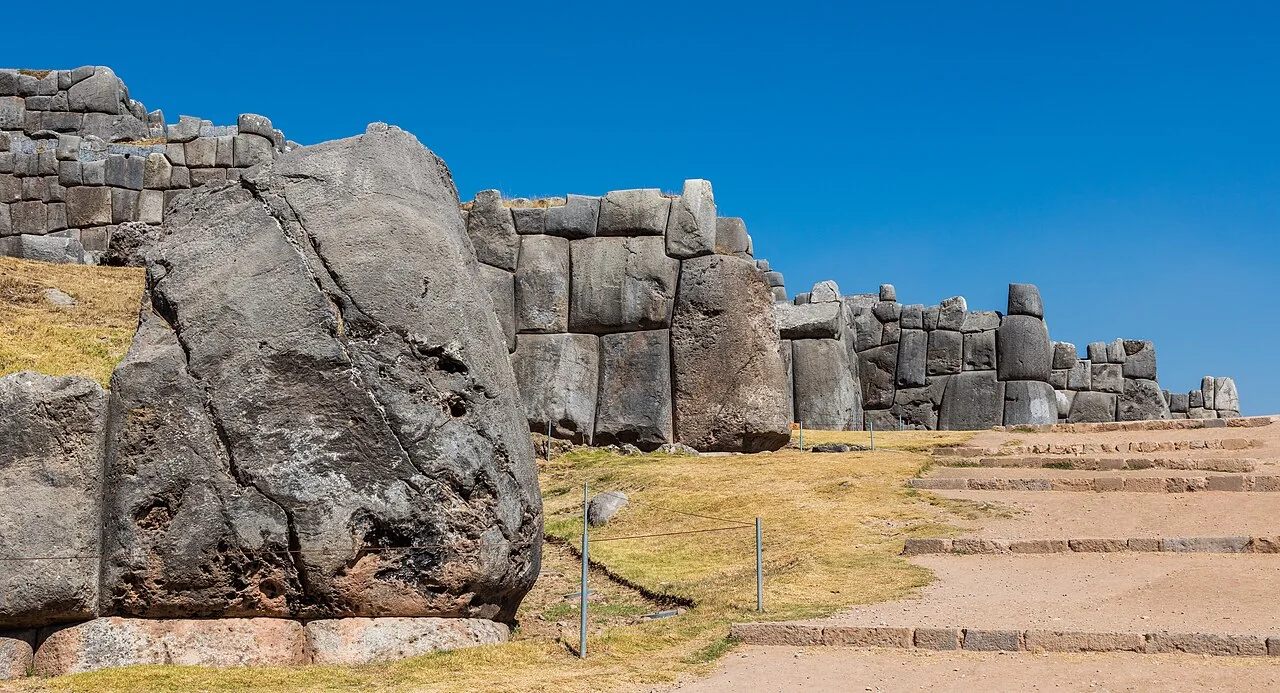
7. Sacsayhuamán: monumental stonework on another scale
The enormous stone walls at Sacsayhuamán are among Cusco’s defining archaeological sights. Their scale provides a striking comparison with the joints you have examined on Hatunrumiyoc. View the complex from different permitted positions: the terrain and arrangement of the blocks help show why this is a substantial site rather than a single impressive wall.
Arrange transport and the return journey before leaving central Cusco, and confirm the current admission option. The visit involves walking, so match its length to your mobility and how you are responding to the altitude. Do not climb the walls for a different photograph. Designated paths and site instructions protect the historic fabric as well as other visitors’ experience.

8. Pisac: distinguish the town from the archaeological site
Pisac combines an archaeological complex containing enclosures, squares and temples with a town known for its artisan market. These are related but separate experiences. Give the archaeological site its own time if Inca architecture is your main interest; a walk through the town deserves attention of its own if you are interested in crafts and local activity.
A Sacred Valley outing needs transport and planning beyond a walk around Cusco. When booking an excursion, check whether it visits both parts of Pisac or makes only a shopping stop. Ask how much time is allowed at each location and which admission charges are separate. A long list of stops is not a guarantee of depth, particularly when several valley destinations share one day.
9. Ollantaytambo: give this Sacred Valley site its own time
The archaeological fortress at Ollantaytambo is another major Sacred Valley complex highlighted by Perú Travel. A visit broadens the picture beyond Cusco and lets you compare construction in different settings. Arrive with enough time to consider how the buildings relate to the terrain instead of reducing the experience to a photograph from the entrance.
If your itinerary also involves travelling onwards towards Machu Picchu, separate the transport timetable from the archaeological visit. A logistical stop does not automatically leave enough time to explore the complex. Confirm admission, the physical demands of your intended route and your return journey or overnight arrangements. Keeping a free interval is more useful than adding another stop that forces you to hurry away.
10. Moray: circular terraces and agricultural questions
Moray stands out for its circular terraces sunk into the landscape. Perú Travel presents the interpretation that the site may have served agricultural experimentation: that is a proposed explanation, not a certainty to turn into an unquestionable fact. From authorised viewing positions, study how the shape and levels create a different visual arrangement from the other complexes in this guide.
Maras and Moray often appear together in travel plans, but they are different places and their entry arrangements should be checked separately. Ask which parts of the site you may walk through and avoid restricted areas when trying to get closer to the terraces. On this trip outside the city, allow flexibility for transport and weather and prepare for time outdoors without relying on last-minute purchases.
A route to get you started
- Arrival day: get to know Plaza de Armas and decide whether a gentle Cathedral visit suits you. Keep the rest of the day flexible; there is no need to climb into every neighbourhood immediately. If your trip includes fixed reservations, leave space around them to rest and adjust the plan.
- A city day: connect Hatunrumiyoc with San Blas, then allow another part of the day for Qorikancha or San Pedro, depending on whether religious history or regional ingredients interests you more. These are not interchangeable stops: each offers a different perspective on Cusco and deserves attention for its own character.
- For the surroundings, distribute Sacsayhuamán and the Sacred Valley according to your transport. Pisac, Ollantaytambo and Moray do not form one continuous walk. Compare routes and realistic timings with your operator before deciding how many to include. If time is short, choose fewer places and give each visit more attention.
Good to know
Can all ten places be visited in one day?
That would not be a sensible plan for this selection. The historic centre and the Sacred Valley sites require different transport arrangements. Walking and understanding each complex also takes time. Prioritise your interests and leave the excursions for separate days.
What should I check about archaeological admission?
Confirm which sites each current ticket option covers, how long it remains valid and which places require separate admission. Do not assume one purchase includes every monument, museum or transfer. The linked official sources are starting points for checking with the relevant operator.
When is the best time to plan a visit?
It depends on your weather preferences and how much walking you intend to do outdoors. Check the forecast and site advice before fixing excursions. Keep an urban alternative and clothing suitable for temperature changes; no travel date can guarantee clear views.
Why is Machu Picchu not among these ten stops?
It deserves specific planning and should not be treated as an improvised extra between Cusco sights. If it forms part of your trip, check admission and transport separately before finalising the other days. This selection helps you explore the city and several valley sites without depending on that reservation.
The most rewarding Cusco route is not necessarily the one with the most tickets. Combine careful observation in the historic centre, a neighbourhood where you can engage with local work and archaeological sites you have time to understand. Space for altitude, transfers and your own interests turns these ten places into useful possibilities rather than an obligatory checklist.