
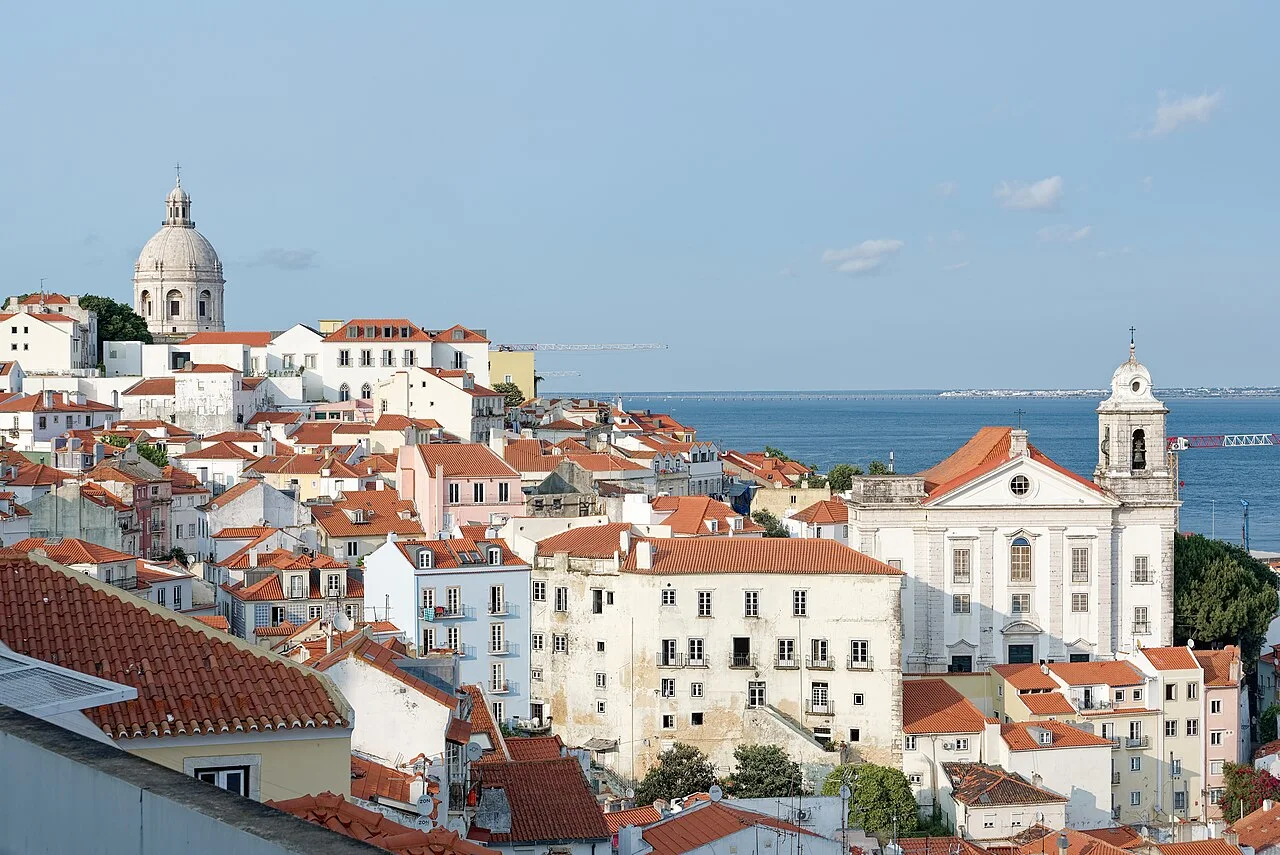

Lisbon makes more sense when you alternate its heights with the water. Alfama and the castle reveal a city of slopes; Baixa helps you find your bearings near the river, while Belém can fill a day with historic architecture and museums. These ten places bring those perspectives together with a nightlife neighbourhood and a visit to the Oceanarium.
They do not form one continuous route to complete without a break. Divide your plans by area, choose the admission tickets that genuinely interest you and leave room for walking. A lift, a viewpoint and a museum offer different experiences. The aim is to help you choose deliberately, whether you have only a few days or prefer a longer stay.
Before you pack
- Destination
- Lisbon, Portugal
- Suggested pace
- Three or four days, depending on indoor visits
- Route planning
- Keep the centre, Belém and the Oceanarium in separate blocks
1. Alfama: discover Lisbon through its lanes
Alfama brings together cobbled lanes, steps and slopes that encourage a slower way of looking at the city. The neighbourhood’s appeal is not confined to a single monument: it lies in the relationship between houses, small open spaces and glimpses of the Tagus. A short route with pauses can reveal more than a long walk planned without considering the gradients.
Use Santa Luzia viewpoint as a reference and decide how much farther uphill you want to go. The rooftop view helps explain the neighbourhood’s layout, but put the camera down occasionally to notice everyday activity. Keep doorways and stairs clear when taking photographs. If you have limited mobility, check a specific accessible approach rather than relying on a map that makes everything appear close together.
2. São Jorge Castle: understand the city from above
São Jorge Castle occupies a high position that helps you understand the relationship between Lisbon’s hills, centre and river. The fortification retains eleven towers and features associated with its medieval origins. Views are a good reason to visit, but spending time with the walls and their arrangement makes the experience more than a panoramic photo stop.
Plan your approach around your ability to walk and confirm which parts of the complex are available. Steps along the walls offer a different experience from more open viewing areas. You can combine the castle with Alfama, allowing time for the climb and a break. If visibility is poor, decide whether your interest in the fortification justifies keeping the visit or changing the day’s order.
3. Rua Augusta Arch: look across Baixa towards the Tagus
Rua Augusta Arch marks the meeting of one of Lisbon’s best-known pedestrian streets and the city’s broad opening towards the river. It symbolises rebuilding after the earthquake, fire and tsunami of 1755. From ground level, look at its figures and proportions; climbing to the viewpoint provides another way to understand Baixa and the waterfront.
Separate the outdoor walk from admission to the viewpoint. If you decide to go inside, check current arrangements and allow time for the Clock Room exhibition explaining the arch. This area works well at the start of a central sightseeing day: finding your bearings through the river and Baixa’s streets makes the uphill routes in other neighbourhoods easier to understand later.
4. Lisbon Cathedral: a historical pause within the old town
Lisbon Cathedral, usually called the Sé, dates from 1147 and adds a religious landmark to a walk through the older part of the city. Tourism information highlights its treasury and Roman remains predating the church. Study the façade before entering so you can place the building within its surrounding streets rather than arriving with only one particular room in mind.
Check which areas can be visited and distinguish access to the church from separately ticketed spaces. Services and religious activity may affect the route. An exterior architectural stop can be worthwhile on its own, but if you want to explore inside, set aside time specifically for that purpose. Follow the photography rules and behaviour requirements displayed at the entrance and within each area.
5. Santa Justa: a landmark to appreciate from the street
Santa Justa Lift connects Rua do Ouro with Largo do Carmo through a neo-Gothic structure designed by Mesnier du Ponsard. Its appearance distinguishes it from the city’s other transport features. Looking up from the street reveals how an engineering solution for a change in elevation became one of Lisbon’s most recognisable photographic subjects.
The official listing consulted on 28 October 2026 marked the lift as temporarily closed. Plan this stop as an exterior view and check the current position with Carris before relying on a ride. Do not make an essential connection dependent on the lift. If you want to continue to the neighbourhood above, choose an alternative route suited to your mobility and the time you have available.
6. Bairro Alto: choose a daytime walk or an evening out
Bairro Alto changes character according to when you visit. By day, record shops, art and other small businesses invite a slower walk; at night, bars and restaurants account for much of the activity. Your choice depends on whether you want to explore streets and shop windows or spend time on a meal and music.
You do not need to reserve a whole evening to get to know the neighbourhood. Visit during the day and return only if its nightlife interests you. Before settling into a restaurant or performance venue, confirm the price and what is included. Plan your journey back to your accommodation too, and respect residents’ rest: leisure venues share these streets with homes and ordinary daily routines.
7. Belém Tower: defensive architecture beside the river
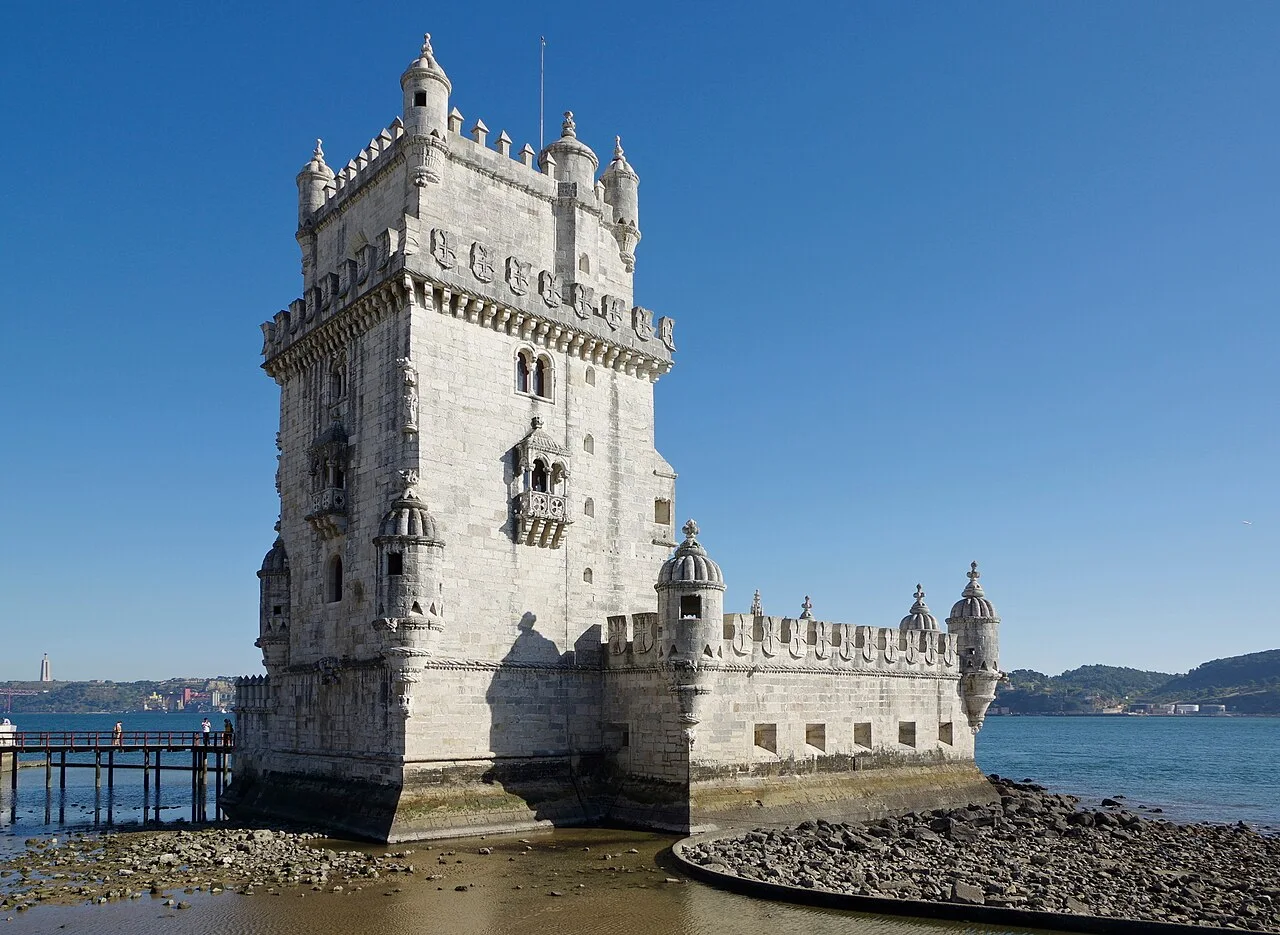
Belém Tower brings the trip to the Tagus and Lisbon’s maritime past. Designed by Francisco de Arruda, it includes a bastion projecting towards the river and symbols such as the royal coat of arms, armillary sphere and cross of the Order of Christ. Looking for these details adds context to a silhouette many visitors recognise before arriving.
Seeing the exterior and entering the monument are different plans. Check current availability and conditions before travelling specifically to go inside. The waterfront lets you include the tower in a Belém day, but leave time to walk between stops without scheduling reservations too closely. In wind or rain, adjust the outdoor portion and give priority to the places that interest you most.

8. Jerónimos Monastery: make time for the details
Jerónimos Monastery is one of Belém’s major sixteenth-century complexes and was recognised as World Heritage in 1983. Its church contains the tombs of Vasco da Gama and Luís de Camões. The visit adds a religious and artistic dimension to an area often associated mainly with navigators and monuments beside the water.
Before booking, distinguish the spaces you want to see and check their individual access arrangements. Admission to one part should not be treated as permission to enter every area. Spend time examining stone details and proportions instead of simply following the next group through. Pair the monastery with the tower if historic architecture is your priority, while leaving a generous interval between the two visits.
9. MAAT: another perspective on Belém through art and architecture
MAAT brings together art, architecture and technology in a complex linking a contemporary building by Amanda Levete Architects with the former Central Tejo power station. That contrast broadens a day in Belém: Lisbon is not confined to its historic monuments but can also be understood through industrial spaces and current cultural projects.
Look at the programme before deciding how much time to spend at the museum. A visit centred on an exhibition needs different planning from a walk focused on the building’s exterior. Confirm which buildings and rooms the available ticket includes, and do not assume every exhibition will still be running. This is a useful option for balancing outdoor sightseeing with an indoor cultural activity.
10. Lisbon Oceanarium: observe the ocean from different levels
The Oceanarium arranges its display around a large central aquarium representing the global ocean, with different marine habitats around it. The route includes perspectives at the surface and underwater. This layout encourages you to return to a scene from another level and watch the animals’ movements patiently rather than hurrying from one window to the next.
The Oceanarium is on Esplanada D. Carlos I, away from the compact route through the historic hills. Give it a dedicated part of the day and calculate the journey from your accommodation. With children, allow time to stop where their interest is strongest and plan breaks. Check the current offer before buying: a temporary exhibition should not be assumed to be included or available indefinitely.
A route to get you started
- Day one: begin in Baixa and at Rua Augusta Arch to orient yourself beside the Tagus. Continue towards the Cathedral and spend the afternoon exploring part of Alfama. If you want to enter the castle, organise the walk around that visit; there is no need to add every viewpoint to the same day.
- Day two: set aside Belém for the tower, Jerónimos and, if the programme appeals to you, MAAT. Choose your indoor visits before fixing the timetable. Leave an open interval between them for walking, food and changing conditions beside the river instead of depending on a rigid sequence of admissions.
- Day three: give part of the day to the Oceanarium and another block to the centre or Bairro Alto. An exterior view of Santa Justa can fit into a Baixa walk, but the temporary closure means it cannot be treated as guaranteed transport. An extra day lets you revisit the neighbourhood or museum you enjoyed most.
Good to know
Can I explore Lisbon entirely on foot?
Central neighbourhoods offer many walking combinations, but slopes and the distance to Belém or the Oceanarium change the effort involved. Combine walks with transport suited to your accommodation and mobility. Check a real route before assuming that two points close together on a map have a straightforward connection.
Is a tourist card worth buying?
Compare its current cost with the admissions and journeys you actually plan to use. Check conditions, required reservations and exclusions for each place; a card does not automatically remove every booking step. Avoid purchasing an extensive package merely to feel obliged to fill the day with attractions.
When should I visit Lisbon?
For this itinerary, consider how much time you want to spend outdoors. Review expected temperatures and rain for your dates, and keep museums as alternatives when walking is less comfortable. Build breaks into uphill routes on warm days and adapt riverside plans to the conditions you encounter.
Is Santa Justa Lift operating?
The official page consulted on 28 October 2026 indicated a temporary closure. Confirm the current position with Carris before relying on the service. The structure can still feature in an exterior sightseeing walk, but observing it is not a reservation or a guarantee of access.
A first Lisbon visit works best when hills do not become a competition and tickets do not occupy every hour. Choose the Belém heritage that attracts you most, let Alfama set a slower pace and combine the views with cultural spaces. These ten places can then form a coherent trip that remains flexible enough to follow your interests.