

Tokyo makes more sense when you group visits by neighbourhood. Crossing the city repeatedly to tick off landmarks uses energy you could spend exploring. These fifteen places connect traditional Asakusa, the museums of Ueno, the vertical skyline and the contrasting moods of Harajuku and Shinjuku. They are a selection to organise across several days, not a challenge to complete before dinner.
For a first visit, choose one observation deck that suits your interests, a museum for greater depth and several neighbourhoods you can connect without long detours. Ueno combines seasonal flowers with collections; Harajuku lets you alternate shopping, a shrine and a park. The stations listed are starting points: check the specific exit and entrance before setting out.
Before you pack
- Travel base
- Tokyo, Japan; visits grouped by neighbourhood
- Suggested time
- Three or four days as a flexible proposal for this selection
- Transport
- Combine rail and subway journeys with walks within each area
- Season
- Choose around climate and interests; flowers and visibility are not guaranteed
Senso-ji: Tokyo’s temple district
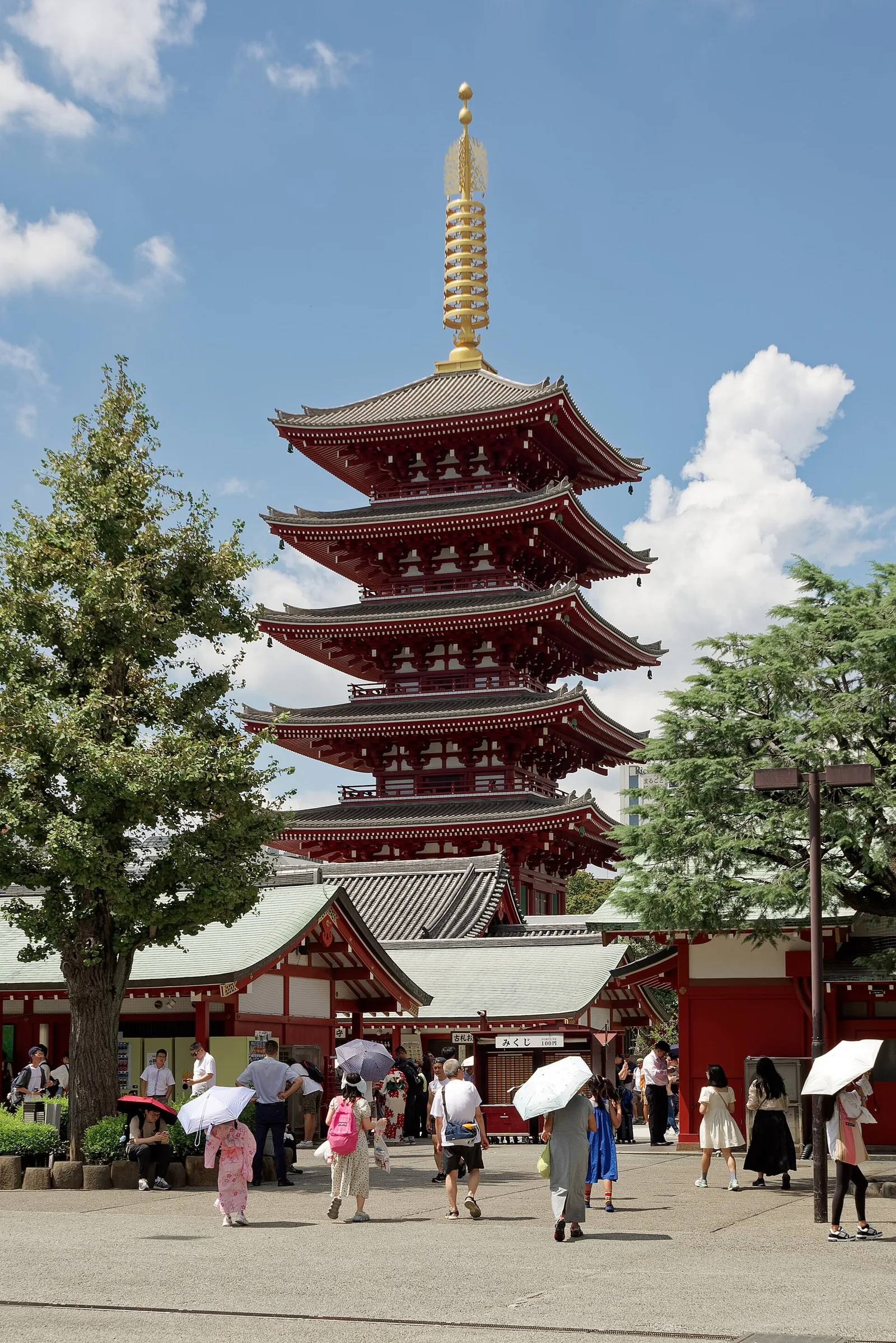
Asakusa is a useful introduction to eastern Tokyo. Senso-ji anchors the district together with Kaminarimon Gate and the Nakamise shopping approach. Rather than stopping at the enormous lantern for one photograph, follow the entire approach and notice how the pace changes as the commercial street gives way to the religious precinct.
Asakusa Station connects with the Ginza, Toei Asakusa and Tobu Skytree lines. Allow time to look around without getting in the way of worshippers: this is a functioning temple, not simply a backdrop. Indoor photography, ceremonies and individual buildings can have separate rules. Follow current signs instead of assuming that every part of the complex has identical visiting conditions.

Nakamise: the traditional shopping approach
Nakamise deserves attention beyond its role as the route to Senso-ji. Small stalls offer souvenirs, sweets and objects such as folding fans and kokeshi dolls. The useful approach is to compare materials and browse deliberately, separating something you genuinely want to take home from a purchase made simply because the street is busy.
It lies directly between Kaminarimon and the temple, so including it does not require another journey. Decide whether shopping is a priority or whether you are mainly walking through to the religious precinct. At crowded times, avoid stopping your whole group in the centre of the passage and follow individual shops’ requests about food, photographs and browsing.
Tokyo Skytree: choosing a panoramic viewpoint
Tokyo Skytree changes the scale of your trip. After exploring streets and temples, its observation levels help you understand how far the city stretches. The tower is part of a larger complex with Tokyo Solamachi shopping and dining below, but visiting a viewpoint does not oblige you to spend the entire day in the surrounding shops.
Arrive at Tokyo Skytree Station or Oshiage, which is served by the Hanzomon Line. Check the official booking information to understand which observation levels a ticket covers. Visibility depends on the weather; seeing Mount Fuji is never a sensible guarantee to build your itinerary around. On a heavily overcast day, consider moving a museum visit into this slot instead.
Ueno Park: culture with room to pause
Ueno Park combines open space, museums and Shinobazu Pond beside a major transport station. It is a useful counterweight to a schedule made entirely of indoor attractions: you can decide how much time to give a collection and how much to spend walking. The official guide highlights spring cherry blossoms and lotus flowers during summer.
Ueno Station is served by the Ginza and Hibiya lines among other connections. Choose a starting area and identify the museum you most want to see rather than treating every collection as a box to tick. Flowering depends on the conditions of the particular year, so a fixed travel date should never be treated as a guarantee of a specific seasonal scene.
Tokyo National Museum: understanding what you see
Tokyo National Museum gives context to the shrines, temples and historic districts encountered elsewhere in the city. Its collections include Japanese and other Asian art and antiquities, with ceramics, swords and ukiyo-e prints among the subjects represented. Choosing a theme usually produces a more rewarding visit than rushing through every available gallery.
Combine the museum with Ueno to avoid making a separate trip across town. Consult the museum’s own exhibition and admission information first: a temporary exhibition may have different ticket arrangements. Leave room for breaks and reading the labels. If travelling with children or companions who are less interested in museums, agree on a manageable visit rather than an open-ended marathon.
Tokyo Station and Marunouchi: more than a connection
The red-brick Marunouchi facade makes Tokyo Station an architectural stop as well as a transport hub. Understanding the two main sides is particularly useful: Marunouchi is west of the station and Yaesu is east. Choosing the correct exit prevents a simple walk from beginning on the opposite side of a very large building.
The station connects with the Yamanote Line and Marunouchi subway line. Shopping and dining spaces exist both inside and outside the ticket gates, so check the location of a specific business before looking for it. Streets around Marunouchi extend the visit on foot. This stop works especially well between journeys rather than as a separate excursion across Tokyo.
Tsukiji Outer Market: knowing what remains here
Tsukiji remains interesting for food and kitchenware, but one common misunderstanding is worth clearing up before you go. The inner wholesale market moved to Toyosu in 2018; the outer market remains in Tsukiji. They are different locations and experiences, so browsing these shops is not the same as attending an activity at the Toyosu wholesale market.
Tsukiji Station on the Hibiya Line and Tsukijishijo on the Oedo Line provide access. Walk around before deciding where to eat, choose from what individual businesses offer that day and check prices before ordering. Do not assume every shop keeps the same hours. Leave passageways clear and follow each establishment’s arrangements for eating and disposing of packaging.
Tokyo Tower: an icon within a neighbourhood
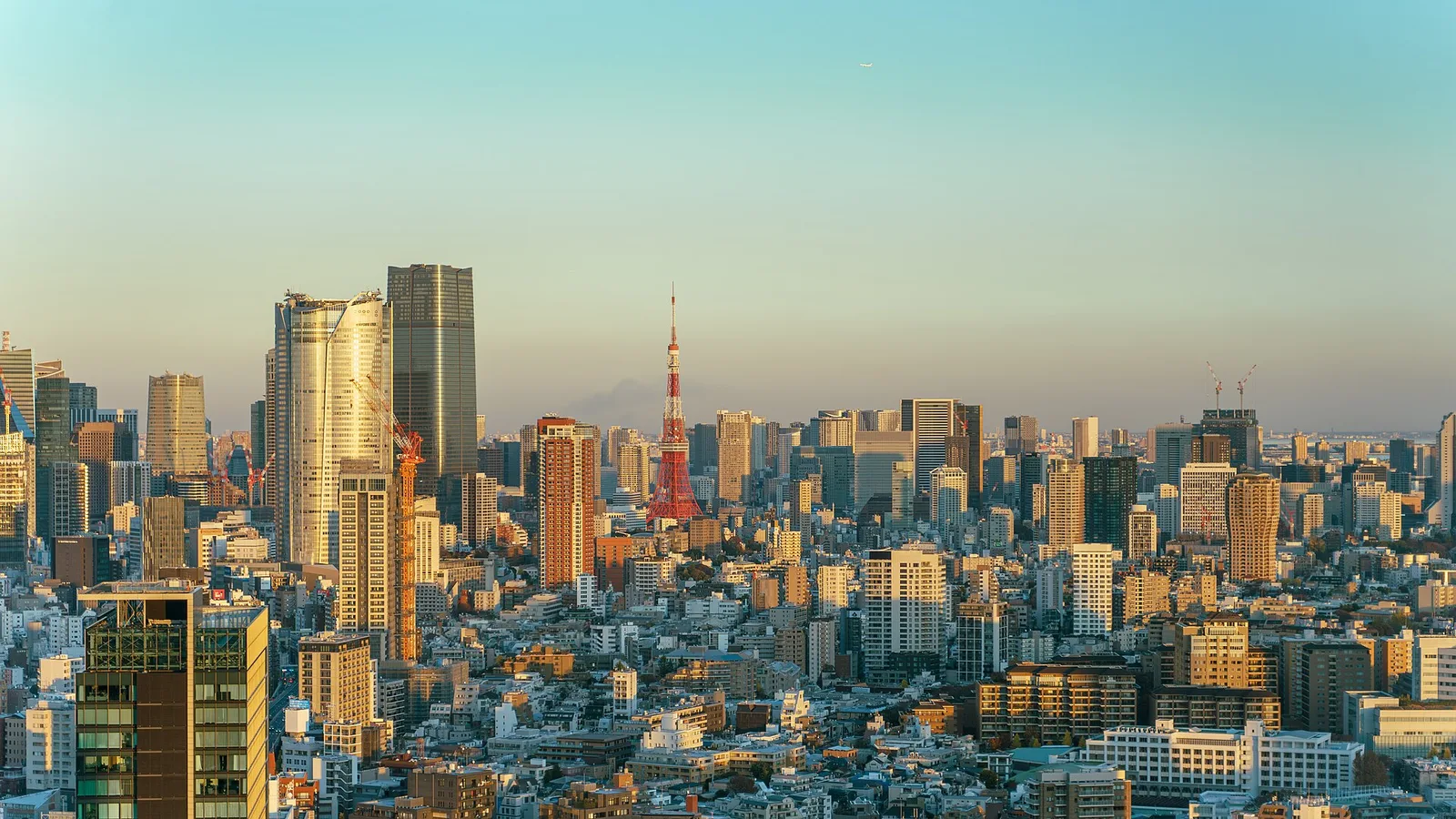
Opened in 1958, Tokyo Tower represents a different chapter of the city’s skyline. Its two observation decks are one option, but the surrounding neighbourhood also deserves attention. Zojoji Temple and the green spaces of Shiba provide a way to place the tower in an urban setting rather than limiting the visit to an elevator ride.
Nearby station options include Akabanebashi on the Oedo Line and Onarimon on the Mita Line. If you already plan to visit Skytree or Shibuya Sky, decide whether another observation deck serves a particular interest or simply repeats an experience. A walk around the neighbourhood offers variety while allowing you to reserve your admission budget for something different.
Shibuya Scramble Crossing: a city in motion
The crossing beside Shibuya Station is one of Tokyo’s most recognisable scenes. Its interest lies in watching how people move through the intersection, not in standing in the middle of it for an extended photo session. Find a suitable position to observe, cross normally and then continue along one of the surrounding shopping streets.
Shibuya Station connects with several rail and subway lines, including Ginza, Hanzomon and Fukutoshin. If you want an elevated viewpoint, check the conditions of the particular business or building you intend to enter; surrounding buildings are not all public observation platforms. At street level, keep moving with other pedestrians instead of treating an active crossing as a private photography space.
Shibuya Sky: putting the skyline first
Shibuya Sky is the observation deck at Shibuya Scramble Square, above the station area. It offers an alternative for visitors who want to connect the famous crossing with a much wider view. Decide what matters most before booking: a general city panorama, skyline photography or the experience of visiting this particular building.
Shibuya Station is the logical arrival point. Consult availability, access instructions and visiting conditions directly, especially if a particular time slot matters to you. An itinerary should not depend on a perfect sunset: weather and operating conditions can change. Group the observation deck with nearby streets so the journey remains worthwhile even if your preferred viewing conditions do not materialise.
Meiji Jingu: a change of pace beside Harajuku
Meiji Jingu lets you move from Harajuku’s shopping activity into a more contemplative setting. Tokyo’s official guide highlights the torii entrance and the contrast between the shrine grounds and the streets nearby. Approach with enough time to walk and remember that this is an active religious site rather than simply another stop for pictures.
Harajuku Station on the Yamanote Line and Meiji-jingumae on the Chiyoda and Fukutoshin lines serve the area. Follow shrine instructions for movement and photography. If a ceremony is taking place, observe discreetly without entering reserved spaces. Meiji Jingu combines geographically with Yoyogi and Takeshita, although the three places offer very different experiences and should not be treated as interchangeable.
Takeshita Street: fashion at street level
Just outside Harajuku Station, Takeshita Street is associated with small shops, accessories and youth fashion. Visit it as part of a changing commercial neighbourhood rather than expecting every style shown in older photographs to be present. Businesses and fashion movements do not remain frozen in time for visitors arriving with a particular image in mind.
Arrive at Harajuku and continue towards Omotesando if comparing different shopping environments interests you. When the main street becomes very crowded, the official tourism guide suggests exploring side streets. Browse without rushing and ask before photographing other people. What passers-by wear is not an invitation to treat them as a performance; observing respectfully is part of understanding the neighbourhood.
Yoyogi Park: leaving space in the schedule
Yoyogi provides an outdoor pause near Harajuku’s shopping routes. Open space and benches make it useful for resting between commercial and cultural stops. Including a park is not wasted time in a highlights itinerary: it helps you adjust the day to the group’s energy and the conditions outside rather than pursuing every attraction at the same pace.
Combine it with the same arrival at Harajuku used for Meiji Jingu or Takeshita. Before settling in a particular area, read the signs and avoid obstructing other people’s activities. If the weather is unhelpful, change the order of your day. The value of this stop is its flexibility, without adding another sequence of timed admissions and bookings to manage.
Shinjuku Gyoen: a garden visit, not a shortcut
Shinjuku Gyoen offers gardens and lawns within one of Tokyo’s busiest areas. The official source connects it with former imperial gardens and recommends it as a counterpoint to surrounding shopping streets. It is worth approaching as a garden visit in its own right rather than racing through on the way between two other activities.
Shinjuku has many stations and exits, so identify the garden entrance you intend to use before choosing the last part of your route. The tourism portal notes restrictions on alcohol, smoking, sporting equipment and musical instruments. Check current conditions with the garden itself. Do not assume it operates like an unrestricted recreational park where every outdoor activity is permitted.
Metropolitan Government Building: exploring Nishi-Shinjuku
The Metropolitan Government Building stands among the skyscrapers of Nishi-Shinjuku, west of the station. Its observation decks can complete a day devoted to that side of the district. The visit is particularly useful if you want to compare Tokyo’s larger urban structure with the streets you have been exploring on foot.
Plan your arrival at Shinjuku before selecting a west-side exit; a station on this scale deserves a few minutes of orientation. Check the building’s own information to find out which observation deck is available and what conditions apply. If another observation deck is already on your itinerary, decide whether this one adds a different perspective. Afterwards, either continue through Nishi-Shinjuku or return to the shopping districts on the other side.
A route to get you started
- Give the east a dedicated day: Senso-ji, Nakamise and Asakusa, adding Skytree only if the observation deck interests you. If you include Ueno on the same day, reduce indoor visits rather than trying to fit several full museum visits into a tight schedule.
- Set aside another block for Harajuku. Meiji Jingu, Yoyogi and Takeshita offer a clear contrast without repeatedly crossing Tokyo. Continue towards Shibuya if everyone still has energy, or keep that neighbourhood for a separate afternoon.
- Treat Shinjuku Gyoen and Nishi-Shinjuku as a day of their own. Tokyo Station, Tsukiji and Tokyo Tower can form another urban route, adjusted around the admissions you choose and the actual journeys on the day.
Good to know
Do I need to visit all three observation towers?
No. Skytree, Tokyo Tower and Shibuya Sky show different parts of the city, but choosing one may provide enough variety. Use the remaining time for a museum, a walk or a neighbourhood that particularly interests you.
Should cherry blossoms determine my entire trip?
Flowers are a worthwhile interest, but their timing changes with the weather. Build an itinerary you would also enjoy without perfect blossom conditions, and check current information near departure instead of relying on fixed dates.
Where should I confirm prices and opening hours?
Check each venue’s website before booking. Confirm the date, admission type and whether your chosen exhibition or observation level is included. General admission and special activities may have different arrangements.
Use this selection to choose and connect places, not to squeeze everything in. Pick a couple of priorities each day, leave room to eat and rest, and check conditions again for ticketed visits. The differences between neighbourhoods can then become part of the experience instead of disappearing behind a succession of journeys.