

London is large enough to demand choices. A satisfying first visit combines riverside landmarks, a considered selection of museums and time to observe neighbourhoods and parks. These fifteen places provide the ingredients for a varied cultural trip, rather than a compulsory itinerary or a challenge to finish as quickly as possible.
Build each day around one area and a main visit. Public transport can save energy between districts, while walking reveals what happens between the famous names. Confirm routes and admission arrangements before setting out. Confirm prices and opening hours for each venue on your travel date, especially when combining timed visits.
Before you pack
- Focus
- Heritage, art and walking for a first visit.
- Suggested pace
- Choose one main museum or monument each day.
- Getting around
- Combine public transport between areas with shorter walks.
1. Tower of London
The Tower of London introduces royal history through a complex that has served as a palace, fortress and prison. The Crown Jewels and White Tower are highlights identified by Visit London, but the visit also rewards understanding how different purposes coexisted within the same walls. Allow room for context as well as celebrated objects.
Place it within a day around the eastern city centre, with Tower Hill as a transport reference. Avoid following it immediately with another demanding museum; continuing towards the river and Tower Bridge provides a useful change of pace. Check official booking arrangements and included areas rather than assuming general admission covers every special activity.
2. Tower Bridge
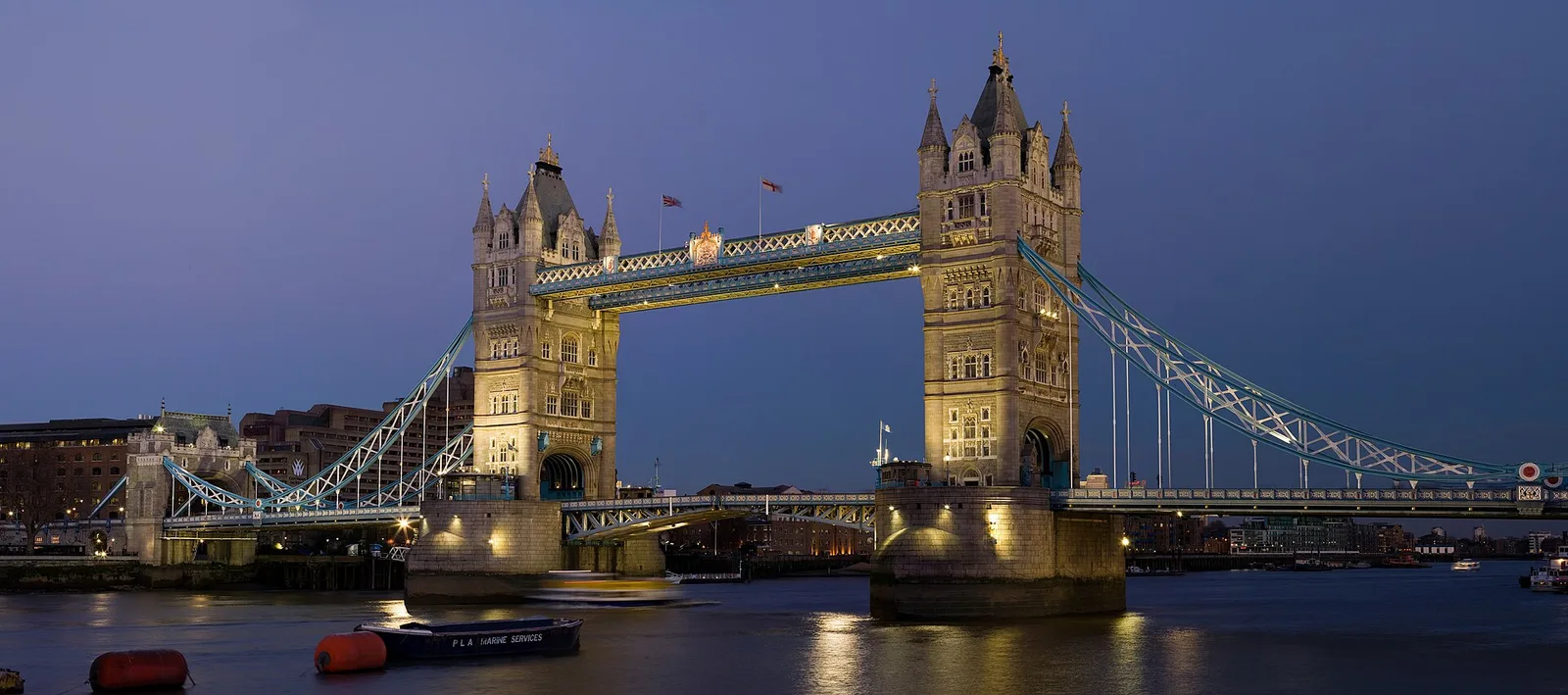
Tower Bridge combines a familiar silhouette with an engineering story that becomes clearer when you distinguish the working bridge from its interior visitor experience. Official information describes high-level walkways, glass floors and Victorian engine rooms. Choose between appreciating it from the riverbank and booking the more detailed experience inside.
Visit London identifies Tower Hill and London Bridge as useful stations. Its proximity to the Tower of London makes the two sensible companions in an itinerary. If you hope to watch the bridge open, consult the official lift schedule: it is a working structure, not a continuous performance or something a guide can promise at any hour.
3. Westminster Abbey
Westminster Abbey brings together religious architecture and ceremonial history. Visit London highlights its connection with coronations and spaces such as Poets’ Corner, where the commemoration of writers sits alongside other forms of national memory. This is somewhere to pause over detail and meaning, beyond recognising a familiar exterior.
Westminster station helps anchor it within a riverside day. Check arrangements for sightseeing and religious services, which serve different purposes. Before entering, choose a few themes that interest you. Trying to read every inscription can make it harder to appreciate the whole building and preserve enough energy for the rest of your route.
4. London Eye
The London Eye offers an elevated perspective on the Thames and landmarks including the Houses of Parliament. Its appeal lies in reading the city from another angle: identifying routes you have walked and seeing how the river shapes the landscape. Riding is not essential to enjoying the area, so decide according to your interests and budget.
Visit London identifies Waterloo as the nearest station. Combine the experience with a riverside walk and consider weather conditions before booking a panoramic attraction. Check exactly which ticket option you are buying and leave room for entry procedures; a celebrated view is no reason to schedule the entire day too tightly.
5. St Paul’s Cathedral
St Paul’s Cathedral brings a monumental scale to a route through the City. Visit London includes it among the capital’s principal attractions, and its interior offers a different experience from a museum: the organisation of space matters alongside decorative detail. Choose this stop if religious architecture and its relationship with the surrounding city interest you.
Distinguish the general visit from any special access with particular requirements. Check mobility information and current restrictions before booking. There is no need to visit two major churches on the same day; combine St Paul’s with an urban walk and save Westminster for a separate outing if that produces a more balanced trip.
6. British Museum
The British Museum explores different cultures through objects that need context. Visit London highlights the Rosetta Stone and Egyptian collections, but choosing one part of the museum and giving it attention is often more rewarding. Look at origins, uses and explanations instead of reducing the visit to a sequence of famous objects.
Great Russell Street and Tottenham Court Road provide useful arrival references. Check booking arrangements and distinguish the general collection from special exhibitions. If your group has different interests, agree on a meeting point and shorter individual routes; everyone need not see precisely the same things to share a satisfying cultural day.
7. National Gallery
The National Gallery lets you concentrate on painting and compare approaches to light, landscape and everyday life. Its setting on Trafalgar Square makes it easy to combine an indoor visit with the surrounding public space. Rather than seeking every celebrated work, choose a period or group of rooms and notice how the paintings relate to one another.
Visit London identifies Charing Cross as a nearby station. Consult the gallery plan and admission arrangements, especially for a particular exhibition. A short, attentive visit can be enough; allow time afterwards to sit and discuss what you saw without treating unvisited rooms as evidence of a wasted opportunity.
8. Trafalgar Square
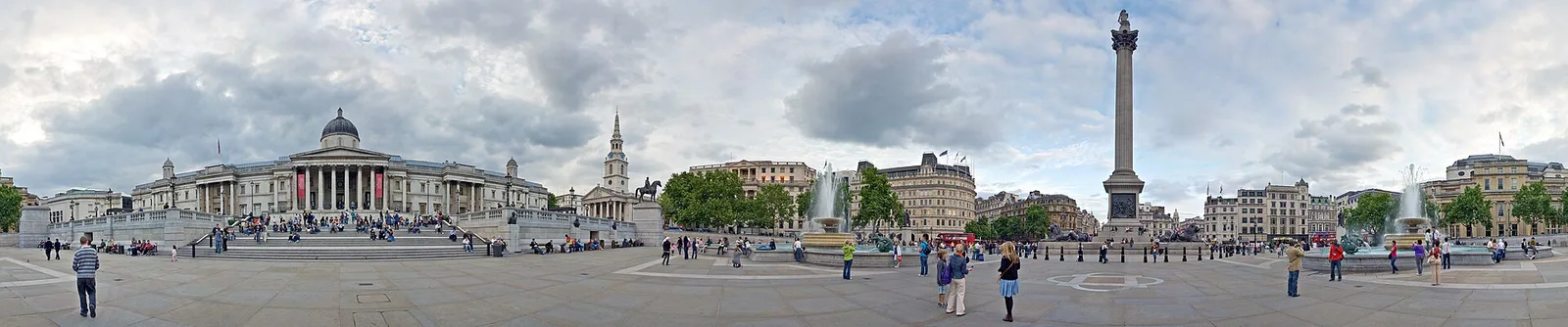
Trafalgar Square works as an orientation point and a pause between cultural visits. Visit London highlights its lions among the city’s recognisable sights, while the square reveals how visitors and residents share a strongly symbolic public space. Notice the relationship between monuments, surrounding facades and the movement of pedestrians.
Pair this stop with the National Gallery to avoid unnecessary journeys. The photograph in this guide is an archive panorama from 2009 and does not claim to show current temporary installations. If an event or restricted area changes the layout, adapt your route, follow local directions and keep pedestrian access clear.

9. Tate Modern
Tate Modern presents modern and contemporary art inside a former power station beside the Thames. The building’s transformation is part of the experience: its scale invites you to consider how a setting changes the way an artwork is encountered. You do not need to understand everything to find a piece that holds your attention.
Bankside and Southwark station are arrival references provided by Visit London. Distinguish the collection from exhibitions with separate arrangements, and select a few rooms. A riverside walk afterwards offers a change of pace. With children, beginning with shapes, materials or feelings may work better than a lengthy explanation.
10. Natural History Museum
The Natural History Museum lets you build a visit around questions about life and the Earth. Visit London highlights dinosaurs, minerals and mammal collections, explaining that galleries are organised into zones. That structure encourages choosing themes before arriving, especially when children in your group already have strong interests.
South Kensington is the transport reference given by the tourist office. Check the map and arrangements for any particular activity you want to try. Do not assume one day is enough for every museum in the district; saving an institution for another occasion often produces a calmer and more memorable experience.
11. Science Museum
The Science Museum is an alternative for travellers who enjoy asking how things work. Its collections span science, technology and space exploration, with objects and experiences that connect abstract ideas to practical uses. Choose a theme that sparks curiosity and build your visit around it instead of making every gallery an obligation.
The museum is on Exhibition Road, with South Kensington as the relevant station. Check whether an interactive experience, film or exhibition needs a separate booking. Compare its focus with the nearby natural history museum and choose what interests your group most, rather than automatically attempting both because they are close together.
12. Hyde Park
Hyde Park offers a generous pause within London. The Royal Parks highlights the Serpentine, lakeside paths and Speakers’ Corner, associated with public expression. Choose between a walk centred on the water and a shorter garden route without turning the park into another compulsory checklist of sights. Time simply spent observing can be part of the visit.
Use the official map to choose an entrance that fits your accommodation and next destination. Activities, events and services may have their own arrangements, so do not assume everything is available throughout the day. Keeping part of the walk unbooked makes it easier to adjust to weather and tiredness.
13. Covent Garden
Covent Garden combines a piazza, market and performances that bring a more everyday dimension to a sightseeing route. Visit London draws attention to its covered spaces and street entertainment. It is a useful place to observe and rest, while remembering that performances depend on schedules and are not guaranteed every time you pass.
Covent Garden station provides an arrival reference, though checking a map helps you choose the final route. When stopping for a performance, leave room for others to circulate and consider contributing where appropriate. Read menus and prices before eating; popularity is no substitute for choosing something that suits your preferences.
14. Borough Market
Borough Market brings food into an itinerary as an experience of observation and choice. Visit London recommends its culinary offering, but explore the stalls before deciding where to buy. Comparing ingredients and approaches is generally more interesting than joining a queue simply because it looks popular. Treat the market as a working place as well as a visitor attraction.
Check the market’s own information before planning an important meal here, as traders and services may vary. If you have allergies, ask directly about ingredients and handling; this guide cannot certify individual products. Leave space for people shopping and working, and choose somewhere suitable to eat without blocking circulation.
15. The surroundings of Buckingham Palace
Buckingham Palace adds a reference to the present-day monarchy to a London itinerary. This selection suggests observing its surroundings and combining that with a walk, without assuming an interior visit is available on every date. Seeing a building from outside and exploring its rooms are different experiences requiring different plans.
Visit London mentions Changing the Guard among activities in the area, but its schedule needs checking separately. Do not organise an entire day on the assumption it will happen when you arrive. If security controls or crowds alter access, follow directions and adjust your route; the stop can still be worthwhile without a ceremony.
A route to get you started
- Riverside day: choose Westminster or the London Eye as your main booking and leave room to walk. If both interiors matter to you, separate the reservations with enough time and a proper break.
- Eastern day: give the Tower of London your attention and continue towards Tower Bridge. Book the bridge interior if its engineering interests you; a riverbank walk also offers a valuable perspective.
- Cultural day: select a museum around your interests and combine it with a shorter visit to Trafalgar Square or Covent Garden. In South Kensington, prioritise natural history or science, considering Hyde Park if your energy allows.
Good to know
How many days should I allow for these places?
Four or five days give you room to choose visits and group areas at a considered pace. Adapt that suggestion to your availability: with less time, shorten the list and preserve the places that matter most to you.
Can I visit every museum without booking?
Do not assume so. Check the requirements of each institution and particular exhibition. Free admission to a collection does not guarantee immediate availability or mean that all activities follow the same arrangements.
What should I do if it rains during my trip?
Keep an indoor alternative near the area you intended to explore and check availability before changing plans. A museum may be useful, but it does not guarantee immediate entry or replace suitable clothing for the journeys between stops.
London becomes more rewarding when a trip leaves room to compare periods, spaces and ways of experiencing the city. Give one landmark your attention, allow time for a museum and keep pauses beside the river or in a park. These fifteen suggestions are starting points for a personal route, supported by official sources to consult before making each booking.