

Paris works best when each day has a clear anchor: a museum, a neighbourhood or a stretch of the Seine. These fifteen places reveal different sides of the city without turning your holiday into a race between tickets and photographs. This is not a challenge to complete in one weekend. Choose according to your interests and leave room to wander.
The selection combines landmarks, gardens and streets that can be grouped geographically. Before buying tickets, check precisely what the official admission includes: seeing a monument outside, climbing to a viewpoint and attending an exhibition are different experiences. Confirm prices and opening hours for your own travel date before booking.
Before you pack
- Focus
- A first cultural visit organised by neighbourhood.
- Suggested time
- Four or five days give room to choose; this is a planning suggestion, not a requirement.
- Priority
- Book the museum or landmark that matters most, then arrange the rest around it.
1. Eiffel Tower
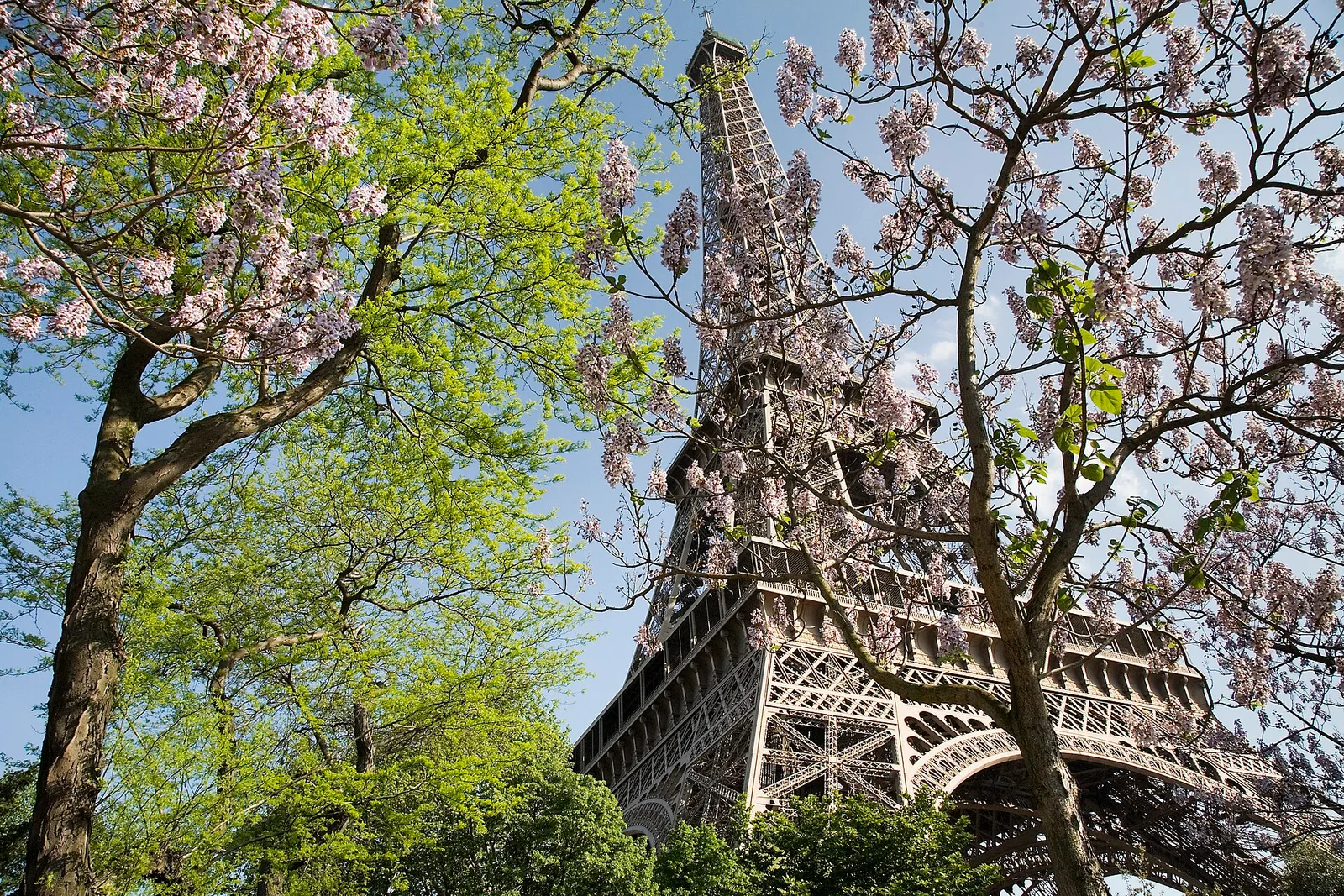
The Eiffel Tower is a useful starting point for understanding the scale of Paris. Its silhouette anchors the skyline, while the experience changes considerably between looking up from the ground and booking an ascent. Decide which matters more to you: seeing the tower itself or seeing the city from it. Both are worthwhile, but they require different amounts of time and money.
Pair this stop with a walk beside the Seine rather than another tightly timed booking immediately after arrival in Paris. Photographers can try several public viewpoints without obstructing pedestrians. If you want to go up, examine the official ticket options carefully: availability for one level does not necessarily include every part of the tower.
2. Louvre Museum
The Louvre rewards a personal selection rather than an improvised attempt to see everything. The former royal palace is part of the experience: staircases, courtyards and galleries remind you that this was not originally a conventional museum building. Choose two or three areas that genuinely interest you before entering, then use the official map to create a manageable route.
The museum website lets you explore rooms and identifies spaces that are temporarily closed. Checking it helps prevent an entire day being built around an inaccessible gallery or artwork. Afterwards, continue towards the Tuileries, with a proper break between activities so the garden becomes a chance to rest rather than another box to tick.
3. Tuileries Garden
The Tuileries offer a transition between the intensity of the Louvre and the surrounding city. Instead of simply taking the shortest path through, notice how the axes, ponds and planting organise the space. This is a particularly useful stop when travelling with people who prefer alternating indoor visits with time outside.
Include the garden after the museum or within a walking day through central Paris. Check its official opening arrangements before planning an evening visit: an outdoor space is not necessarily accessible at every hour. If the weather turns unpleasant, shorten the walk and retain room for another indoor activity rather than forcing the itinerary to follow a rigid sequence.
4. Musée d’Orsay
Orsay is especially rewarding if you want to focus on Impressionist art and works that invite close attention to colour, light and everyday life. The tourist office highlights this collection, but the museum should not become just a checklist of famous paintings. Choosing a few galleries gives you time to compare approaches and look carefully.
Decide whether your priority is an extensive Louvre visit or a day centred on Orsay rather than squeezing both into an exhausting sequence. Before booking, distinguish the permanent collection from temporary exhibitions. Afterwards, leave time to walk near the river and absorb what you have seen; a satisfying cultural visit also benefits from time outside the galleries.
5. Notre-Dame and the Île de la Cité
Notre-Dame places Parisian history at the geographical and symbolic heart of the city. The restored cathedral remains a reference point on the Île de la Cité, where a walk connects architecture, the river and public spaces. Looking at its facade from the surroundings and visiting inside are different experiences that are worth planning separately.
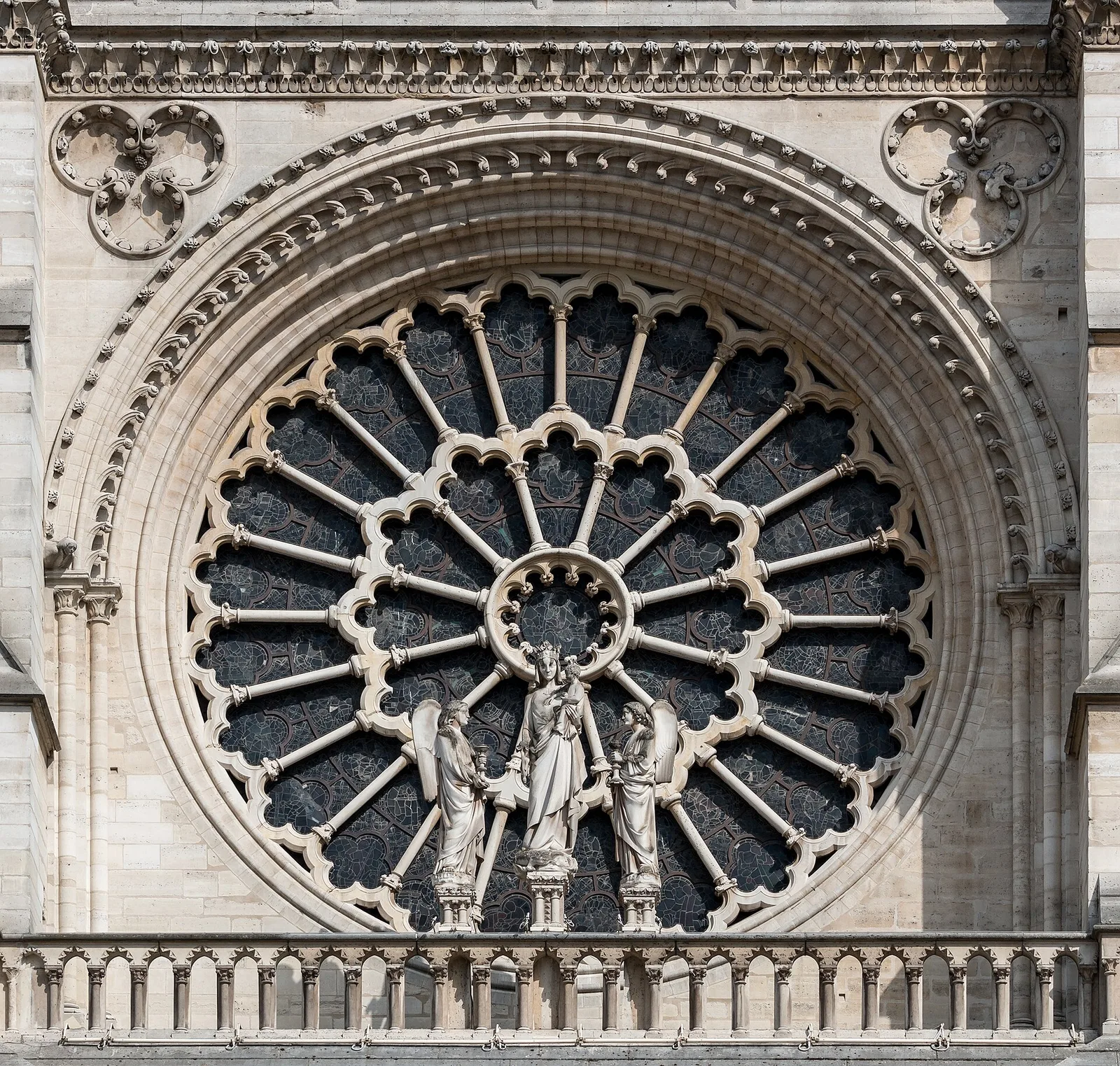
Combine the stop with the island’s streets and nearby bridges. If you wish to enter, check the official visitor procedure and respect the building’s religious purpose. The photograph shows a facade detail in 2014; consult current access arrangements before organising your route rather than using an archive image to judge the visitor experience.

6. Sainte-Chapelle
Sainte-Chapelle is compelling for the relationship between architecture and light. Its stained-glass windows are the main reason to include it, so allow time to look rather than treating it as a quick photograph. If religious buildings interest you, its scale and visual experience make a useful contrast with the city’s larger cathedrals.
Its location makes sense within a day on the Île de la Cité, alongside Notre-Dame and a riverside walk. Check the entry procedure and booking arrangements before fixing your schedule. When planning costs, do not assume that a ticket for another monument on the island also includes this chapel: verify exactly which admission product you are purchasing.
7. Arc de Triomphe
The Arc de Triomphe helps you read Paris as a city of long urban perspectives. The tourist office highlights its views towards the Champs-Élysées, so it may appeal both as a monument and as an observation point. Choose according to your priorities: going up makes sense if you want time to understand the skyline, not merely complete a checklist.
Group it with the Champs-Élysées to avoid unnecessary journeys across the city. Follow signed pedestrian access around the monument rather than improvising crossings through traffic. Check the arrangements for an interior visit or ascent, including the mobility needs of your party. Appreciating the monument from outside remains a different but perfectly worthwhile option.
8. Champs-Élysées
The Champs-Élysées show the Paris of grand avenues, commercial facades and monumental perspectives. They do not require an entire day: the avenue works better within a route that lets you contrast its scale with the city’s more intimate neighbourhoods. Walking a section is generally more revealing than emerging from a station solely to take a photograph.
Connect the walk with the Arc de Triomphe and decide afterwards how much time you want for shopping. If food or a rest is your priority, compare options before sitting down; a famous address does not automatically make an experience more interesting. Leave yourself permission to change direction when the walk stops matching your interests.
9. The streets of Montmartre
Montmartre deserves more than a hurried stop at its best-known monument. The tourist office draws attention to its small streets, and much of the appeal lies there: noticing how the atmosphere changes as you move away from a crowded viewpoint. Choose a short route with room for detours instead of connecting addresses without looking around.
Treat the area as an outing in its own right; too many reservations elsewhere in Paris will fragment the day. Wear comfortable shoes and consider gradients when choosing your route. Travellers with reduced mobility should investigate accessible options beforehand rather than assuming that every pedestrian itinerary offers the same conditions or amount of effort.
10. Sacré-Cœur Basilica
Sacré-Cœur gives a clear focal point to a Montmartre walk. Its position above the neighbourhood and the views highlighted by the tourist office explain its popularity, but it is also a religious space. The point is not simply to arrive: pause to consider the relationship between the building, its forecourt and the city below.
Set aside a deliberate stop within your Montmartre itinerary rather than treating it as an unrelated excursion. If you intend to enter or visit particular areas, check official information and follow instructions about quiet and photography. For an unhurried experience, allow enough time instead of assuming that a particular hour can guarantee an empty viewpoint.
11. Luxembourg Garden
Luxembourg Garden provides a green pause between Saint-Germain-des-Prés and the Latin Quarter, the setting identified by the tourist office. It helps balance a day of churches, monuments and museums. A garden is also an opportunity to observe everyday life, choose somewhere to rest and slow the pace of a trip.
Pair it with the Panthéon or a walk through nearby streets, depending on your group’s energy. Check access before scheduling a late stop, and do not confuse an open garden with availability of every activity inside it. If travelling with children, allow genuinely unstructured time; turning every rest into another history lesson can be as tiring as visiting another museum.
12. The Paris Panthéon
The Panthéon introduces another dimension to a Paris visit: public memory and the ways a country commemorates significant figures. It should not be confused with the Pantheon in Rome, which offers a different setting and experience. Its monumental presence fits a Latin Quarter day, but an interior visit is best chosen according to your interest in history and architecture.
Read the official introduction before booking to establish which areas and activities will be available on your date. Pair it with Luxembourg Garden without filling the rest of the day with timed tickets. The idea is to alternate a demanding interior with an outdoor space for walking or resting, not simply collect nearby monuments.
13. Le Marais
Le Marais offers a shift from monumental Paris to a closer reading of streets, squares and facades. The tourist office recommends it as a historic district to explore on foot. Its value lies in the whole neighbourhood, so select a few reference points and leave time to notice what appears between them.
Build the walk around Place des Vosges and surrounding central streets without turning every building into an interior visit. Pay attention to shops that actually interest you and compare food options rather than following the first queue. The route can easily expand or contract, making it a useful choice after a morning governed by a fixed reservation.
14. Place des Vosges
Place des Vosges is one of the central Paris squares highlighted by the tourist office. Within a Marais walk, it offers a chance to stop and examine a square as a complete composition: proportions, facades and the relationship between circulation and rest. It does not need a long list of activities to justify spending time there.
Approach on foot through the neighbourhood and look from more than one side before choosing where to sit. If you want to add a nearby cultural visit, check it separately; the square and surrounding museums do not necessarily share opening arrangements. Make this a deliberate pause, especially when the rest of your day contains several interiors.
15. The banks of the Seine
The Seine provides a thread connecting several of the places in this guide. The tourist office recommends its riverbanks and bridges, and you do not need to book an activity to appreciate the river’s role in shaping Paris. Choose a stretch between two places already in your itinerary and walk without imposing an obligatory distance on yourself.
A cruise offers a different perspective and may suit travellers who prefer to enjoy the scenery seated, but check the departure point, route and inclusions. For a walk, adapt your route to the weather and signed access. The aim is to create continuity between visits, not finish exhausted after trying to follow the entire riverbank.
A route to get you started
- Day one: choose the Louvre or Orsay as your main visit, continue through the Tuileries when it fits, and leave part of the afternoon for the Seine. This is flexible and does not require both museums.
- Day two: explore the Île de la Cité, checking Notre-Dame and Sainte-Chapelle separately. Afterwards, choose either the Latin Quarter with Luxembourg and the Panthéon, or a walk through Le Marais.
- Day three: connect the Eiffel Tower with the Arc de Triomphe and part of the Champs-Élysées, using transport when distances exceed your energy. Give Montmartre and Sacré-Cœur a separate outing.
Good to know
Can I visit all fifteen places in two days?
You could see some exteriors, but it would not be an in-depth visit. Prioritise two areas per day and one or two major interiors across the weekend. This list is a tool for choosing, not an obligatory route.
Is a sightseeing pass worthwhile?
Compare the exact admissions you would actually use with the pass conditions. Check additional reservation requirements and inclusions; buying a pass simply because it lists many famous names can increase spending without improving your trip.
What should I do if it rains?
Keep a museum alternative in mind and avoid putting all outdoor walks on one day. Check availability before changing bookings. You can also shorten garden stops while retaining manageable walks between indoor visits.
The best first Paris visit is not the one with the most tickets, but the one that connects your interests into a coherent route. Choose a major museum, allow time for a neighbourhood and use the Seine to connect the city. The official sources below will help turn these ideas into bookings and decisions appropriate to your own dates.